
Irrigation System Installation in Rogers, AR: How the Zones Get Drawn
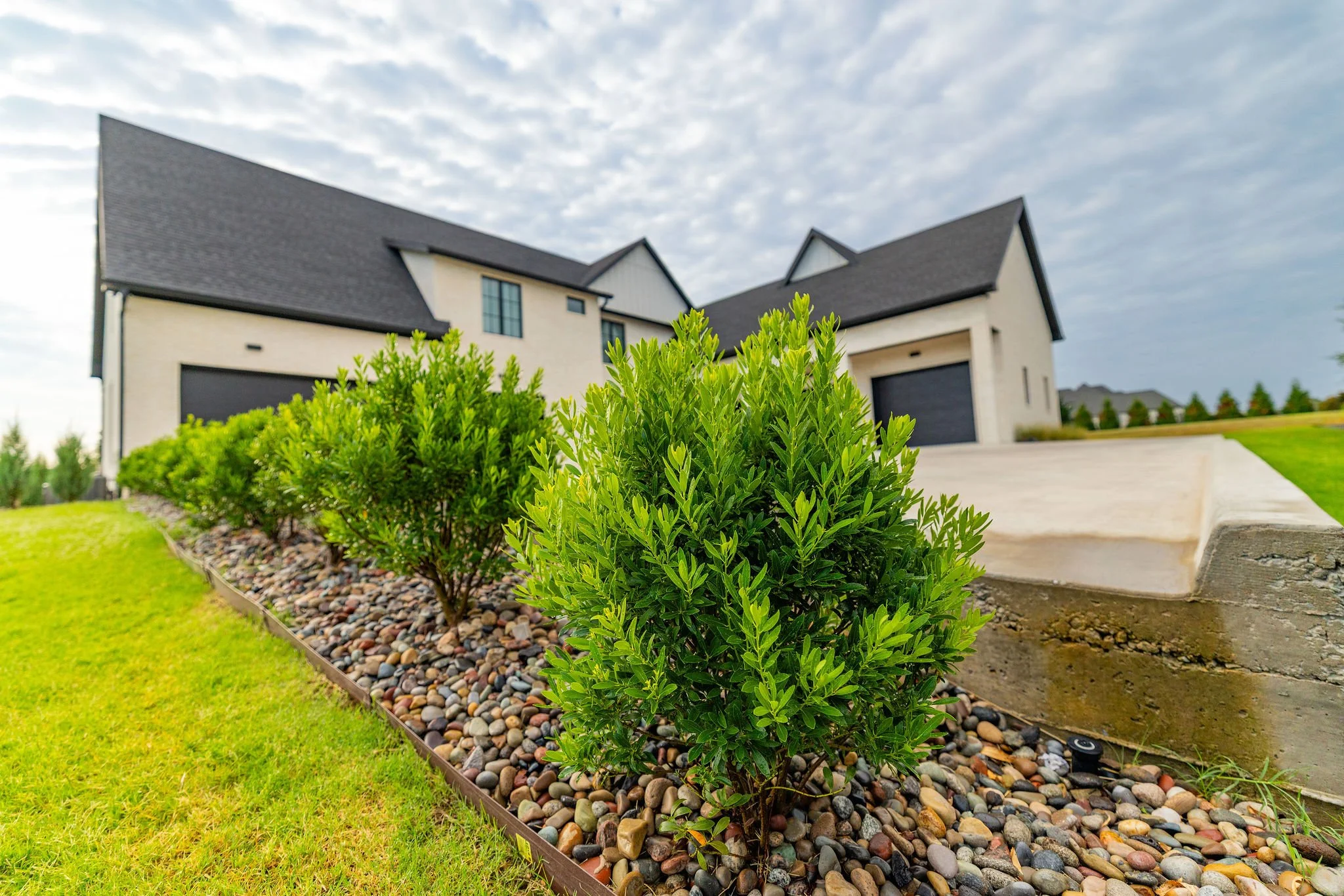
Irrigation system installation in Rogers, AR is usually described as a plumbing job and designed as a horticultural one. The zone plan is the whole exercise, and most of the decisions that decide how a system performs are settled before anyone cuts a trench.
Blue Ribbon Outdoor brings over 40 years of landscape experience to that design stage, and we are one of just two AGIA-certified landscapers in Northwest Arkansas. That certification rests on ongoing training in plant health and region-specific care, so it shows up in the zone plan rather than the trenching.
Here’ss how a new system gets zoned on a Northwest Arkansas property.
Related: Irrigation System Services in Rogers, AR: Audits, Zone Tuning and Seasonal Care
Why Are Irrigation Zones Drawn Around Plants Rather Than Geography?
Irrigation zones are drawn around plants because every head in a zone runs for the same length of time, so everything in it has to want the same amount of water. Grouping by convenience produces a system that either drowns the beds or starves the turf.
Turf and planting beds are separated as a matter of course, because their water needs and their delivery method differ. Beyond that we split by sun exposure, by slope and by soil, since a south-facing bank on thin soil dries several times faster than a shaded flat area twenty feet away.
Trees get their own consideration too. A young tree set in a turf zone takes whatever the lawn schedule gives it, so new plantings often get a dedicated drip line until they establish.
What Does Northwest Arkansas Clay Soil Change About Irrigation Design?
Clay soil means water has to go on in shorter, repeated cycles, because clay accepts water slowly and runs off before a full application soaks in. Much of this area sits on clay, and a zone run in one continuous block looks like a well-watered lawn while behaving like a dry one.
The design answer is cycle and soak: shorter run times repeated with a pause between them, so the soil has a chance to take the water in. That is a controller decision made at design time, and it is why the zone count and the controller capability get specified together.
How Do Irrigation Head Selection and Spacing Get Decided?
Head type follows the planting and spacing follows the throw: rotors for open turf, sprays for tight areas, drip for beds, with every head reaching its neighbor. Rotors throw further and apply water more slowly, which suits open turf and clay.
Spray heads cover tighter areas at a higher rate. Drip belongs in the beds, where water applied at the base of a plant does more good than water thrown over its foliage.
Spacing is the part that gets compromised on a cheap install. Heads are laid out head to head because a rotor's output falls off toward the edge of its arc, and stretching spacing to save a few heads produces the dry rings that show up in the first hot week of July.
What Happens During Irrigation Trenching and Connection?
Trenching sets the mainline deep enough to clear our winters and routes it away from tree roots, and the connection adds backflow prevention at the supply. Valves are grouped into boxes placed where they can be reached without digging, since every system needs service eventually.
Backflow prevention protects the household supply from anything in the irrigation lines, and it is required and inspected. The device has to be located where it can be tested and winterized. On a new build we also sleeve under any drive or walk so the system can be extended later without cutting the surface.
Why Does Irrigation Commissioning Matter as Much as the Installation?
Commissioning matters because a correctly installed system still waters paving, drains at low heads and misses corners until every zone is tuned. Every head is adjusted for arc and radius so water lands on planting, and the controller is programmed for the season the system is starting in.
Each zone is then run and watched while somebody stands in it. That walk-through is where overspray, low-head drainage and a misaimed rotor get caught, and it is where the homeowner learns which zone is which, which matters more than the documentation that goes in a drawer.
Plan a New Irrigation System With Blue Ribbon Outdoor
If you are considering irrigation system installation for a Rogers, AR property, the useful first step is a walk of the site to map sun, slope and soil before any layout is drawn. Our team will set the zones around what is actually growing there, specify the heads and the controller together, and commission the system head by head.
Blue Ribbon Outdoor designs and installs irrigation systems across Benton and Washington counties. Contact Blue Ribbon Outdoor to schedule an irrigation system installation site walk.
In Summary
How many zones does a typical Rogers, AR property need?
The number of zones on a Rogers, AR property is set by available water flow more than by lot size. Each zone can only run as many heads as the supply will feed at pressure, so a property with modest flow needs more zones running for shorter periods. A flow and pressure test at the point of connection is the first measurement Blue Ribbon Outdoor takes.
Can an irrigation system be installed in an established landscape?
Irrigation goes into established landscapes routinely, and a trenched mature lawn recovers within a few weeks. Established planting beds take more care, and in those we often use drip laid on the surface under the mulch rather than trenching between root systems.
What time of year suits a new installation in Northwest Arkansas?
Spring and autumn are the most comfortable windows for a new installation in Northwest Arkansas, with workable ground and mild conditions for the plants. An autumn installation gets commissioned and adjusted before the following summer, rather than being tuned during the first heat wave it faces.
Related: Sprinkler System & Irrigation System in Fayetteville, AR: Solutions That Improve Outdoor Function
